How Supply and Demand Shape Real Estate Prices with Real-World Examples
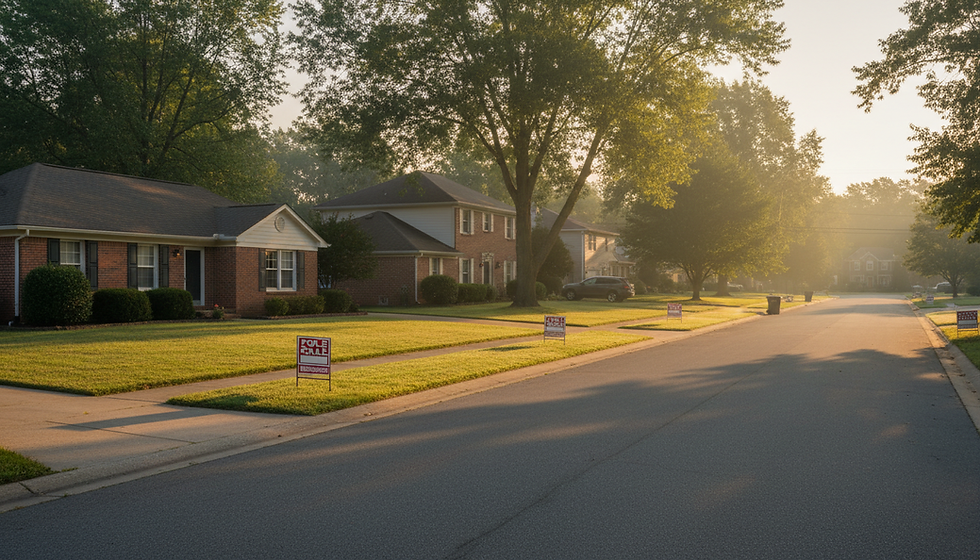
Real estate prices move for a simple reason: buyers compete for homes, and sellers control how many homes are available. When demand rises faster than supply, prices climb. When supply grows faster than demand, prices soften.
That basic rule explains much of the housing market, from expensive coastal cities to fast-growing Sun Belt suburbs.

Supply sets the size of the playing field
In real estate, supply means the number of homes available for sale or rent. It includes existing homes, new construction, condos, townhomes, and apartments.
Supply changes slowly. A factory can make more shoes next month. A city cannot add 10,000 homes overnight. Land must be bought. Plans must be approved. Roads, utilities, and schools may need upgrades. Builders also need labor, materials, and financing.
Key supply factors include:
Construction rates
More building usually gives buyers more choices. Less building tightens the market.
Zoning laws
Zoning controls what can be built and where. Rules that allow only single-family homes limit density. Rules that allow duplexes, apartments, or accessory dwelling units add supply.
Available land
Cities surrounded by water, mountains, or protected land have less room to grow.
Building costs
Higher costs for labor, lumber, concrete, insurance, and financing can slow projects.
Permit timelines
Long approval processes can delay homes for months or years.
San Francisco is a clear example. The city has high-paying jobs, limited land, and strict building rules in many neighborhoods. Demand has stayed strong for years, but supply has not kept up. The result has been some of the highest housing costs in the country.
By contrast, many parts of Texas have allowed more building at the edge of metro areas. Austin, Dallas, and Houston still face price pressure during growth periods, but builders can often respond faster than in land-constrained cities. That extra supply can help slow price spikes, even when demand is strong.
Demand decides how intense the competition gets
Demand means how many people want homes and can afford them. Desire alone does not set prices. Buyers also need income, savings, credit, and confidence.
Major demand drivers include:
Population growth
More residents need more places to live.
Job growth
Strong job markets attract workers and raise housing demand.
Wages and household income
Higher incomes can support higher prices.
Mortgage rates
Lower rates increase buying power. Higher rates reduce it.
Consumer confidence
Buyers act faster when they feel secure about jobs and the economy.
Lifestyle changes
Remote work, family size, and retirement plans can shift where people want to live.
During the early pandemic years, many buyers looked for more space. Some left expensive urban areas for suburbs, smaller cities, and warmer states. Demand jumped in places like Phoenix, Tampa, and parts of the Carolinas. In many of those markets, supply was already tight. Prices rose quickly because more buyers chased a limited number of homes.

Prices rise when demand outruns supply
The strongest price growth usually happens when three things occur at once:
More people want to buy.
Few owners want to sell.
New construction cannot fill the gap.
This creates bidding pressure. Buyers waive contingencies, offer above asking price, or move faster than they planned. Sellers gain pricing power because buyers have fewer alternatives.
A simple example makes this clear.
Imagine a neighborhood has 20 homes for sale and 50 serious buyers. Sellers can hold firm. If several buyers want the same home, the highest offer sets the new benchmark.
Now flip it. The same neighborhood has 50 homes for sale and 20 serious buyers. Sellers compete for attention. Price cuts become more common. Buyers have time to compare options.
This is why inventory matters so much. A market can have high demand and still cool if supply grows. A market can have weak demand and still hold prices if very few people sell.
After the 2008 housing crash, many builders pulled back. The industry built fewer homes for years. That slowdown left the U.S. with a supply shortage in many regions. When demand strengthened later, the market did not have enough homes ready. Prices rose because the earlier construction gap had not been filled.
Real-world case studies show the pattern
Case study one is San Francisco and limited supply
San Francisco has strong demand from high-income workers, universities, hospitals, and technology firms. It also has major supply constraints. Water limits expansion. Older neighborhoods resist density. Permits can take time.
The result is a market where even small shifts in demand can affect prices. When tech hiring grows, prices tend to rise because new housing does not arrive fast enough. When demand cools, prices may slow, but the long-term shortage keeps many homes expensive.
Case study two is Austin and a faster building response
Austin saw rapid population and job growth. Demand surged as companies expanded and remote workers moved in. Prices climbed fast during the boom period.
Then builders added more apartments and houses. More listings gave buyers and renters options. Price growth cooled in many areas. This shows the other side of the rule. Supply can relieve pressure when construction catches up.
Case study three is Detroit after population loss
Detroit shows what happens when demand weakens for a long time. The city lost population over decades as jobs and residents moved away. That left many homes with little buyer demand.
In that setting, prices fell because supply exceeded the number of households willing and able to buy. Even if a house was structurally sound, weak demand limited its value. Location and local economic strength mattered as much as the building itself.

Zoning can change the price path
Zoning may sound technical, but it has a direct effect on prices. If a city allows only one home per lot in most neighborhoods, supply stays limited. If it allows duplexes, triplexes, apartments, or backyard cottages, more households can live in the same area.
This does not mean every neighborhood changes overnight. Building still takes time. But zoning sets the upper limit for what is possible.
A city with job growth and restrictive zoning often gets higher prices. A city with job growth and flexible zoning can absorb more demand. Prices may still rise, but the increase can be less severe.
The same applies to rent. When apartments are hard to build, renters compete for fewer units. When more apartments open, landlords face more competition, which can slow rent increases.
The takeaway is simple
Real estate prices are not random. They reflect the balance between homes available and people who want them.
When supply is tight and demand is strong, prices rise. When supply expands or demand weakens, prices cool. Construction rates, zoning, population growth, job markets, and mortgage rates all feed into that balance.
This article is for general information only. Real estate decisions should be based on local market data, personal finances, and professional guidance.
If you want help reading the supply and demand signals in your market, contact Juan Romero Homes for a clear local perspective.
FAQ
Why do home prices rise when there are fewer homes for sale?
Fewer homes create more competition among buyers. If demand stays strong, buyers may offer more to secure a property.
Can new construction lower home prices?
Yes, new construction can reduce pressure by adding choices. The effect is strongest when builders add enough homes in the places people want to live.
How do mortgage rates affect demand?
Lower mortgage rates increase buying power. Higher rates make monthly payments more expensive, which can reduce the number of active buyers.
Why do zoning laws matter in real estate prices?
Zoning controls how many homes can be built on a piece of land. Restrictive zoning limits supply, which can push prices higher in high-demand areas.
Is supply and demand the same in every city?
No. Each market has different job growth, land limits, zoning rules, incomes, and construction activity. Local conditions shape the price outcome.